Botox is both simple and nuanced. On paper, it is a purified neuromodulator that softens expression lines by temporarily relaxing specific facial muscles. In practice, it works best when the dose, placement, and timing are tailored to your features, your goals, and the way you animate. Precision separates a natural looking result from a frozen one, and a good outcome lasts months rather than weeks. After more than a decade of planning treatments for a wide range of faces, I can say the art lies in restraint and mapping your unique movement patterns, not just following a diagram.
What Botox does and where it actually helps
A wrinkle forms for two main reasons. Dynamic lines are caused by muscle activity, like the 11s between the brows from frowning or crow’s feet from smiling. Static lines are etched in over time as the skin folds repeatedly and loses collagen. Botox injections target the dynamic component. By reducing muscle pull, the skin stops creasing so deeply, which lets fine lines soften and often prevents them from carving in further.
The classic zones are the glabella for frown lines, the forehead for horizontal forehead lines, and the lateral canthus for crow’s feet. But the conversation rarely ends there. Subtle adjustments can smooth lip lines with a light “lip flip,” correct a gummy smile by calming the elevator muscle, create a soft brow lift by balancing the brow depressors and frontalis, relax a pebbled chin, slim bulky masseters for facial slimming, and reduce neck bands from platysmal pull. Some patients also ask about Botox for eyes to minimize a “squinch,” and for the nose to reduce nasal scrunch lines, sometimes called bunny lines.
The same mechanism applies outside pure aesthetics. Medical uses include Botox for migraine relief, hyperhidrosis of the underarms or hands, TMJ and teeth grinding, and jaw tension. The dosing and pattern change, but the principle is constant: targeted muscle relaxation.
A tailored map beats a cookie-cutter plan
No two foreheads behave the same. Some people have strong brows and a high hairline, some lift one side more than the other, and some compensate for heavy lids by chronically raising the frontalis. If you treat all foreheads equally, you flatten expressiveness or drop the brows. A better approach is to watch the face at rest and in motion. I ask patients to frown, raise brows, smile, and squint. I note where creases start, where the lines end, and whether one side recruits harder. Then we build a plan.
For example, a patient in her early thirties seeking preventative Botox might only need baby Botox or micro Botox, with smaller units across the top third of the forehead and glabella to reduce etching without stopping expression. A patient in his forties with strong corrugators may need more units in the 11s and fewer across the forehead to avoid a heavy brow. Someone with long-standing crow’s feet often benefits from feathered placement along the smile lines beside the eyes, tapering dose as we move outward to keep the eye shape natural.
This tuned approach matters just as much for the lower face. Treating chin dimples requires a conservative dose into the mentalis to avoid lip heaviness. A lip flip should be light, particularly for first-timers, because too much can make sipping through a straw feel clumsy. Masseter reduction for teeth grinding or masseter hypertrophy demands measured dosing across multiple points, with realistic timelines: facial slimming from masseters is gradual and shows best after two to three months.
What a typical Botox appointment looks like
Most visits start with a short Botox consultation to confirm goals, medical history, and any contraindications. Blood thinners, recent illness, pregnancy and breastfeeding, and certain neuromuscular conditions botox providers Ann Arbor require special attention. I review prior treatments, Botox results you liked, and what felt too strong or too weak. Photos at rest and with expression create a baseline for your Botox before and after comparisons.
The Botox procedure steps are straightforward. Makeup is removed in the treatment areas. We mark subtle points where injection will optimize results. If you bruise easily, I avoid visible surface vessels and suggest icing before and after. The Botox dosage is measured in units, not volume, and the actual amount varies by area and individual muscle strength. Many patients ask, how much Botox do I need? For common aesthetic zones, ranges are typical: glabella may be 10 to 25 units, crow’s feet 6 to 12 per side, forehead 6 to 20 in conservative or preventative Botox dosing. These are ranges, not prescriptions. A light first session lets us see your response.
Most Botox injections take under 10 minutes for the common zones, 20 minutes if we add smaller refinements. Discomfort is brief. Does Botox hurt? It usually feels like tiny pinches, often described as a two or three out of ten. Topical numbing is rarely necessary for the upper face, though helpful for sensitive areas such as the lip line.
What to expect right after and in the weeks that follow
Expect small bumps at injection points for 10 to 20 minutes as saline disperses, and occasional pinpoint bleeding that seals within seconds. Mild swelling and bruising can occur, especially around the eyes where skin is thinner. Most go back to work or errands immediately.
Botox aftercare instructions focus on keeping the toxin where it belongs while it binds to the nerve terminal. For the first four to six hours, avoid lying flat, rubbing the treated areas, wearing tight caps that press the brow, or heavy massages that could shift product. When patients ask, can I work out after Botox, I recommend waiting 24 hours before vigorous exercise, hot yoga, or saunas. Normal light activity and facial expressions are fine. Skip facials, lasers, and dental work that props the lips open for about a week, unless your provider says otherwise.
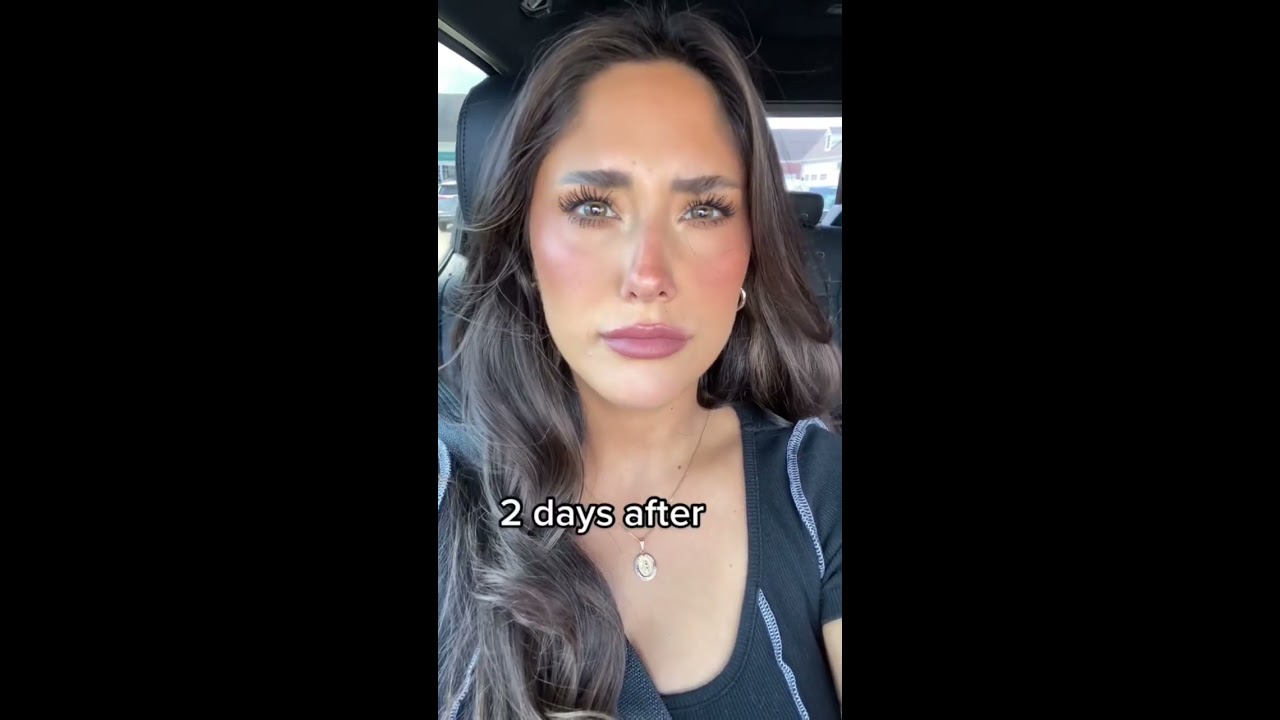
How fast does Botox work? Subtle softening may appear within 48 hours. Most people see a noticeable change by day 5 to 7, with peak effect around two weeks. I book a follow up at the two week mark for first-timers or after a change in plan. That is the best moment to judge symmetry, evaluate dose, and plan a small Botox touch up if a muscle remains stronger than we want. If you see no change by one week, it often blossoms by day 10 to 14. True nonresponse is rare.
How long results last and when to return
Botox longevity depends on dose, muscle strength, metabolism, and how much you animate. A typical Botox effect duration is three to four months for the upper face. Some patients hold five or even six months, especially with regular maintenance and careful sun protection. Lighter baby Botox fades sooner, sometimes around the 8 to 10 week mark, which can be ideal for patients who prefer minimal intervention and very subtle Botox.
When to get Botox again is personal. If you want consistently smooth brows and eyes, schedule the next Botox appointment around month three, before the lines fully return. If you prefer to ride the fade, you can wait until you notice a return of movement that creases the skin more than you like. A rough Botox timeline looks like this: onset within a few days, peak at two weeks, plateau through month two, then gradual softening and return of motion. Botox fading signs include more noticeable bunching at the tail of the brow or the return of vertical lines between the brows at the end of the day.
Some patients ask about Botox touch up interval. Light refinements often happen at two weeks if needed, then full sessions every three to four months. Over the long term, steady maintenance can train expressive patterns to soften, which may allow fewer units to maintain the same result.
Safety, side effects, and risk management
Used appropriately, Botox cosmetic has an excellent safety profile. Is Botox safe? In healthy, nonpregnant adults, the risks are generally mild and temporary. The most common Botox side effects are tiny bruises, short-lived headaches, and a feeling of heaviness during the first days as the muscles relax. Rare risks include lid ptosis from product migrating into the wrong plane, asymmetry from uneven response, and over-relaxation that flattens expression.
The way to reduce risk is straightforward: accurate anatomy, clean technique, and conservative dosing for new patients. In my practice, I avoid injections too close to the levator palpebrae superioris when treating frown lines, and I taper forehead doses as we approach the brow to prevent heaviness. I also discuss trade-offs. For example, very smooth foreheads reduce the micro-animations that some people like for expressiveness. We weigh natural looking Botox against desired smoothness, and we rarely chase 100 percent stillness unless a patient explicitly wants that look.
If something feels off, we fix it. Botox gone wrong is often solvable. A minor eyebrow asymmetry can be balanced with a unit or two. A flat brow can be lightened on the next session by shifting the injection map and lowering the forehead dose. If you truly dislike the effect, time remains your ally, since Botox cannot be reversed but it does wear off. Early check-ins help us course-correct in days, not months.
Cost, value, and why “deals” can be complicated
Patients usually ask about Botox cost first. Prices vary widely by region, injector experience, and whether you are charged per area or per unit. In most US cities, Botox price per unit ranges from about 10 to 20 dollars, sometimes higher in premium practices. A glabella plus forehead session may total 20 to 40 units, crow’s feet another 10 to 24 units. The final bill can range from the low hundreds to several hundred dollars. Botox deals and Botox specials appear often in ads, and some are legitimate promotional pricing. Others reflect dilution practices or novice injectors building experience. Neither is inherently bad, but know what you are buying.
Value comes from appropriate dosing, careful placement, and results that last. If a cheaper session underdoses you by half, you may be back for a Botox touch up or need a new session sooner. On the other hand, over-treatment to hit a package “area” can create a look you never wanted. A short Botox consultation ahead of time, with a plain breakdown of units and expectations, is still the best filter. When patients search Botox near me, I suggest looking at before and after photos that match your age group, brow shape, and skin type, then reading how the injector talks about restraint.
Expectations for first-time Botox
First time Botox visits should focus on education and measured change. People often worry about losing expression. Others fear pain or swelling. The reality is gentler than the hype. Most leave the appointment looking the same, then watch lines relax over the next week. The result should be visible to you and invisible to colleagues, unless you prefer a more dramatic change.
If you want subtle Botox, say so. We can start with 50 to 70 percent of a typical dose and build gradually. Preventative Botox for those in their twenties and early thirties is not about freezing the face. It is about quieting repetitive creasing, especially at the glabella and crow’s feet, before those lines carve in as static wrinkles.
A practical tip: schedule your Botox session at least two weeks before big events, since that is when peak results align with the settling of any minor bruising. Avoid alcohol and heavy exercise for 24 hours before treatment if bruising worries you. Arnica can help for some, though evidence is mixed.
Botox vs fillers, and when to combine them
Botox for wrinkles treats the muscle cause of dynamic lines. Dermal fillers treat volume loss, structural support, and deep static lines. If you have etched forehead lines that remain even when your brows are relaxed, Botox smooths the dynamic component, then a touch of filler may be added carefully to the remaining crease. Around the mouth, Botox for smile lines has a narrow role, while fillers often carry the load for nasolabial folds and marionette shadows. The two Ann Arbor botox are not substitutes, they are tools that address different problems.
Botox and fillers together often produce the most balanced rejuvenation: neuromodulators to relax expression, fillers to rebuild contours and support. This is especially true for brow and temple support, where volume loss contributes to heaviness, and for cheekbone contour that indirectly improves the lower face. Staging matters. In many cases, we place Botox first, allow it to settle, then adjust filler once muscle balance is stable.
If you are deciding between them, ask what is driving the line. If the wrinkle appears primarily when you move, Botox is usually the first step. If it remains when you are expressionless, consider filler, collagen-stimulating treatments, or skin resurfacing, sometimes along with micro Botox for pores and oil control in the T-zone.
Brand nuances: Botox vs Dysport, Xeomin, and Jeuveau
Botox is the household name, but other neuromodulators exist: Dysport, Xeomin, and Jeuveau. They share the same basic mechanism. Some patients perceive faster onset with Dysport, others prefer the “clean” feel of Xeomin which lacks complexing proteins, and some find Jeuveau competitively priced. In practice, differences are subtle. Conversions between units are not one-to-one across brands. If a patient has used one brand for years with consistent success, I tend to stick with it. If they have had a plateau in response, switching can be reasonable.
Special areas and thoughtful edge cases
The brow region rewards nuance. A Botox brow lift works by softening the depressor muscles that pull the tail of the brow down, while preserving the lift of the frontalis higher up. It is a balancing act. Too much frontalis treatment lowers the brow, while too much lateral eye work can narrow the eye. We often stage this over two visits to perfect the line.
Lower face work demands a light hand. Botox for lip lines must be conservative to avoid speech or eating changes. A Botox lip flip is usually two to four tiny injections to evert the upper lip slightly, best for someone who wants a softer border or a hint more tooth show without adding filler. Botox for gummy smile can be transformative with just a couple of units at specific points that control upper lip elevation, although smiling will feel subtly different to you for the first week.
Masseter reduction for facial slimming is powerful but slow. Expect three to four weeks to begin noticing less clench and improved jaw tension, with jawline softening visible by two to three months. The first time, I re-evaluate at 8 to 12 weeks and plan the next session at 4 to 6 months to maintain shape. For TMJ symptoms and teeth grinding, Patients often report fewer morning headaches and a sense that the jaw finally rests.
Neck treatments require careful planning. Botox for neck bands softens platysmal pull and can improve the jawline contour when combined with careful lower face dosing. Heavy neck banding or significant skin laxity may need energy-based tightening or surgical solutions for best results. There is no single tool for every neck.
Maintenance, long-term use, and skin health
How often can you get Botox? For cosmetic zones, three to four times a year is typical. Long term use is common, and we have decades of data on safety when performed properly. Muscles that are consistently relaxed may weaken slightly over time, which can be a benefit if your goal is to reduce wrinkle formation. If you like more movement later, we can lower the dose and allow a bit more activity to return.
Botox maintenance pairs well with a smart skin routine. Even the best neuromodulator cannot replace sunscreen, retinoids, vitamin C serums, and lifestyle choices that preserve collagen. If pores, oil, and texture bother you, micro Botox placed superficially can reduce oil and shine in the T-zone. That is different from standard Botox for facial wrinkles, which targets deeper muscle action. Used together with light peels or gentle resurfacing, you get a polished look without obvious intervention.
Myths vs useful facts
Several myths float around first-time conversations. No, Botox does not accumulate indefinitely in the body. It works locally at the nerve terminal and is metabolized. No, you do not become “addicted.” You may like how smooth your skin looks and choose to maintain it, but stopping simply returns you to baseline as the effect fades. Can Botox be reversed? Not the way filler can, but uneven or unwanted effects almost always improve by the two to three month mark. The best defense is a skilled injector and a measured plan.
The most useful facts are practical. Results build slowly over a week. They peak at two weeks. If you are switching providers, share your last dose and map if you have it. If you want to keep your brows lifted, be conservative on the forehead and favor the glabella. If you want to minimize crow’s feet while keeping a warm smile, taper the dose as you approach the cheek to preserve eye shape.
Preparing well and caring for your result
A bit of preparation helps minimize bruising and optimize outcomes. If your schedule allows, avoid aspirin, ibuprofen, fish oil, high dose vitamin E, and alcohol for 24 to 48 hours before your Botox appointment, unless medically necessary. Arrive with clean skin. Bring photos of past results you liked. After treatment, follow Botox aftercare instructions, sleep slightly elevated the first night if you are prone to swelling, and skip pressure on the treated zones.
Here is a short, focused checklist for first-timers:
- Clarify your top two goals in plain language, like smoother 11s or softer crow’s feet without changing eye shape. Share your movement patterns and any asymmetries you have noticed, such as a stronger left brow. Plan around events, with at least two weeks before photos or travel. Avoid heavy workouts, saunas, and facials for 24 hours after. Book a two week review for fine-tuning and a three to four month reminder for maintenance.
When Botox is not the right tool
Honest guidance sometimes means saying no. For deep static forehead grooves on thin skin, a blend of Botox, conservative filler, and resurfacing is more effective than Botox alone. For heavy upper eyelids from true skin redundancy, neuromodulators cannot replace a surgical blepharoplasty. For a double chin, Botox is not a solution. You might consider fat reduction methods or weight loss strategies depending on the cause. For pronounced nasolabial folds driven by volume loss, fillers or lifting techniques do the heavy lifting. Good outcomes start with choosing the right tool for the right job.
Troubleshooting and fine-tuning
Two weeks after treatment is the truth-telling window. If one brow sits higher, we can balance it with a unit or two at the peak. If your forehead feels too still, we lower the forehead dose next time and rely more on glabella control. If the 11s barely budged, that zone likely needs a higher dose on your next visit. If crow’s feet over-relaxed and narrowed your smile, we shift the pattern outward and lighten the dose.
Patients sometimes report a “heavy” feeling in the first few days, especially after their first session. That sensation often eases as you get used to the reduced movement. If headaches occur, they typically resolve within a couple of days and respond to acetaminophen. For swelling or bruising, Arnica gel or a cool compress can help. If you notice lid droop, call your injector promptly. Drops with apraclonidine or oxymetazoline can stimulate a small muscle in the lid to improve lift while you wait for the Botox effect to soften.
The look of natural confidence
The goal is never to erase your character. It is to soften the lines that distract from it. Natural looking Botox preserves your expressions, makes photos kinder under harsh lighting, and buys time against the repetitive folding that turns fine lines into etched grooves. Whether you are a 28-year-old teacher who squints in the sun and wants preventative Botox, a 42-year-old engineer who is tired of looking stern on calls because of frown lines, or a 56-year-old executive who wants smoother crow’s feet without changing eye shape, the plan starts with how you move and what you value.
Sustained success comes from honest conversation, precise technique, and respect for the face in motion. Choose an injector who watches how you frown and smile, not just how you look at rest. Ask about dose ranges, expected Botox results timeline, and how they handle touch ups. If you ever feel rushed, reschedule. Your face is not a template, and your treatment should not be either.
A brief note on finding the right practice
If you are searching for Botox near me, prioritize credentials and a thoughtful approach over the cheapest offer. Look for clear photos that show both rest and expression. Read how the injector discusses risks and aftercare. Ask how they decide between Botox vs fillers, whether they use baby Botox for first-time patients, and what their policy is for refinements at two weeks. Solid answers signal a provider who values a long-term relationship rather than a one-off Botox deal.
The best outcomes are boring in the best way. No drama in the chair, steady results that last the expected three to four months, simple aftercare, and a plan that adapts as your face and goals change. With that, smooth skin looks like you on a good day, not a different person altogether.